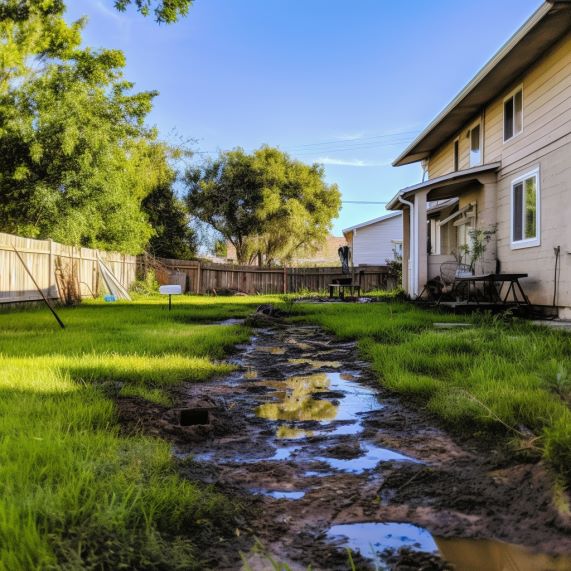
If your backyard turns into a swamp every time it rains, you’re not alone. Caboolture sits on heavy clay soil that holds water instead of draining it. During storm season, that water has nowhere to go, it pools around your house, floods your lawn, and if it sits long enough, it starts causing real damage.
Some of this you can fix yourself. Some of it needs a plumber. Here’s how to tell the difference.
Why Caboolture’s Clay Soil Makes Drainage So Difficult
Clay soil is dense and tightly packed. Unlike sandy soil that lets water pass through, clay absorbs slowly and holds on. When it gets saturated during a Queensland downpour, it can increase its weight by up to 50%.
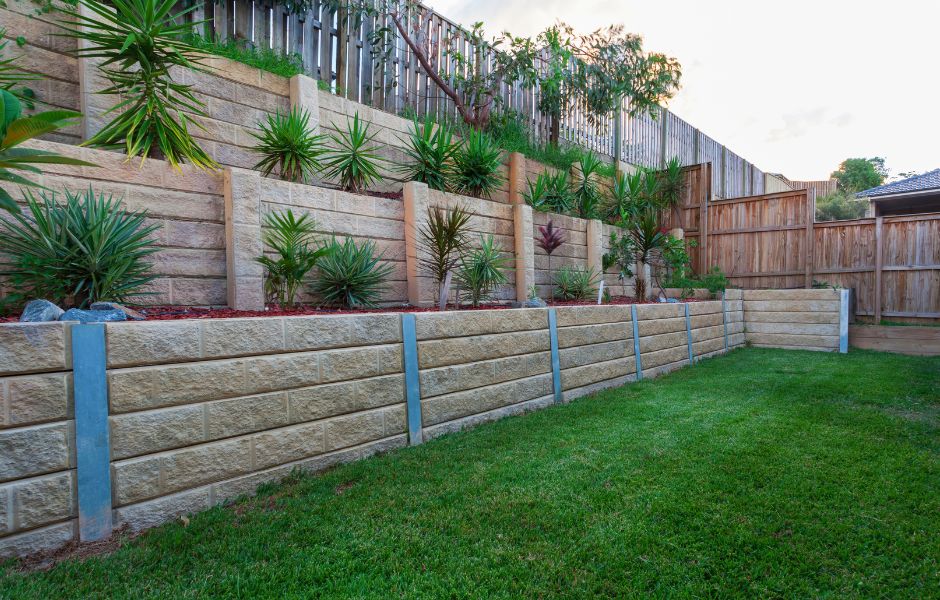
That extra weight pushes against retaining walls, cracks them, and bows them out over time. Water sitting around your foundations causes the clay to swell and shrink with the seasons, and your slab moves with it. We see this across Caboolture, Upper Caboolture acreage, and throughout the older estates in Morayfield.
This isn’t just about puddles. It’s about protecting your house from structural damage that costs thousands to fix.
Signs Your Stormwater Drainage Is Struggling
- Water pooling in the yard: The obvious one. If it’s still sitting there hours after the rain stops, the water has nowhere to go.
- Gutters overflowing: Blocked gutters push water over the edge and straight down the side of your house instead of into the stormwater system.
- Erosion and washouts: If you’re losing topsoil or seeing gullies form on slopes, the runoff is moving too fast and too much.
- Soggy lawn that won’t dry: Parts of the yard that stay soft and squishy long after rain point to water trapped under the surface.
- Cracks in the slab or damp inside: This is the serious end. Water is getting under or behind your house and affecting the structure.
What You Can Do Yourself
Add organic matter to the soil: Compost, manure, leaf mulch, anything that breaks up the clay over time. It won’t fix drainage overnight, but it helps water soak in instead of sitting on top. Keep at it every season and the soil structure improves year on year.
Regrade the ground around your house: Water should flow AWAY from your foundations, not towards them. If the ground slopes towards the house, build it up so it falls away. Even a gentle slope makes a difference.
Dig shallow swales: A swale is a wide, shallow channel that slows water down and spreads it out so it can soak in gradually. Good for larger yards and acreage blocks. Before you dig anything, call 1100 (Before You Dig Australia) to check for underground services.
Clean your gutters and downpipes: Basic but critical. Leaves, dirt, and debris block the flow and send water where you don’t want it. Do it before every storm season. Gutter guards help if you’ve got trees overhead.
Install a rainwater tank: Captures roof runoff before it hits the ground. Less water into the stormwater system, less pressure on your drainage. Plus free water for the garden. We install and connect rainwater tanks across the Moreton Bay region.
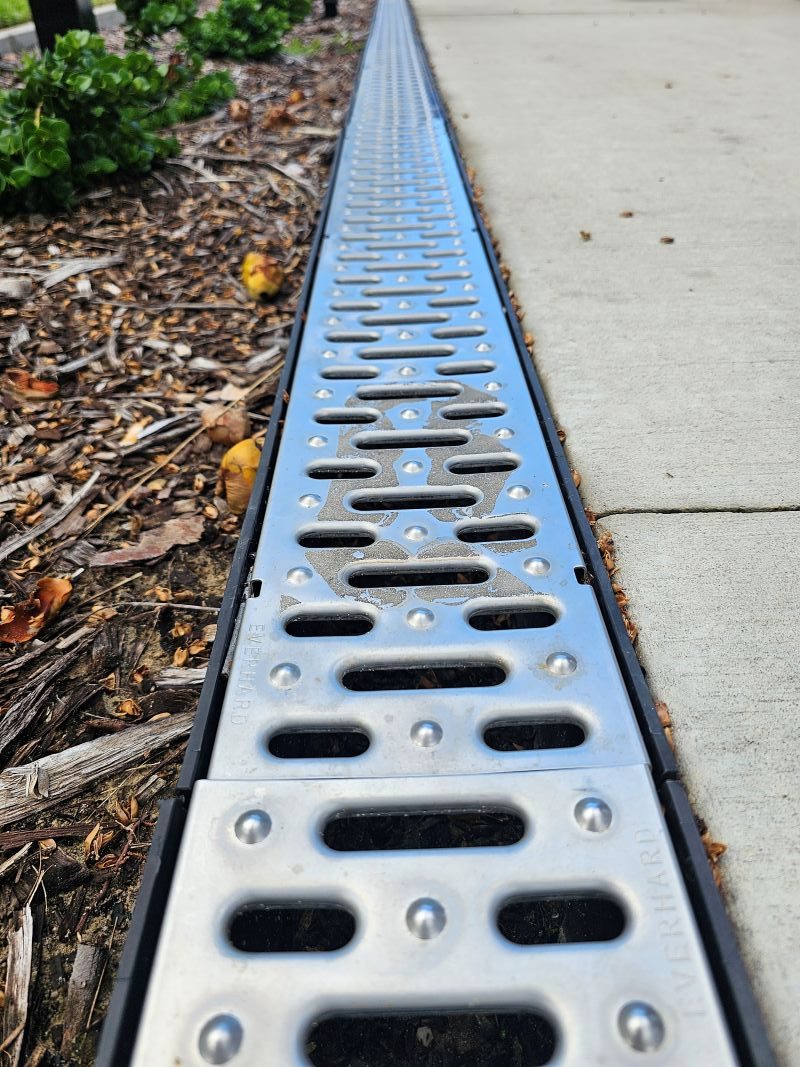
Add a strip drain or channel grate: For isolated low spots where water always pools, a simple surface drain can collect it and direct it somewhere useful. Make sure it’s sloped properly so the water actually moves.
When to Call a Plumber
DIY works for surface water and minor improvements. But if the problem is underground, in the pipes, or affecting your foundations, you need professional equipment and someone who knows Caboolture’s soil.
Call us if:
- You’ve tried DIY and water is still pooling: The issue is likely underground, blocked pipes, collapsed drains, or insufficient capacity.
- Tree roots are in the stormwater pipes: We use CCTV drain cameras to find exactly where the roots have entered, then clear them with a hydro jetter.
- Pipes are cracked or collapsed: We can repair damaged stormwater pipes from the inside using pipe relining, no digging up your yard.
- You need a proper drainage system installed: French drains, spoon drains, and stormwater pits designed for clay soil and Caboolture’s wet seasons. We design and install systems that handle the volume.
- You’re not sure what’s causing the problem: A drain camera inspection shows us exactly what’s happening underground. No guessing, no unnecessary digging.
Don’t Wait for the Next Big Storm
Clay soil problems get worse every wet season. The longer water sits around your foundations, the more movement happens in the slab. Retaining walls that are already under pressure will eventually fail. Blocked drains that are partially working now will fully block when the next storm hits.
A stormwater inspection before storm season is the cheapest insurance you can get. We check the pipes, the pits, the connections, and tell you exactly what needs fixing.
Call 1300 793 962 or contact us to book an inspection.
You can also check the Moreton Bay Regional Council stormwater guidelines for information about stormwater management requirements in your area.
FAQs
What trees should I avoid planting near stormwater drains?
Figs, camphor laurels, and any tree with aggressive shallow roots. In Caboolture’s clay soil, roots seek out moisture in pipe joints and can block or crack stormwater lines. If you’ve got big trees near your drains, get a camera inspection to check for root intrusion before it becomes a full blockage.
Am I responsible for the stormwater drains on my property?
Yes. In the Moreton Bay Region, you’re responsible for all stormwater pipes and drains within your property boundary up to where they connect to the council system. That includes gutters, downpipes, and underground pipes. Major changes may need council approval.
What else can poor drainage cause besides foundation damage?
Damp subfloors attract termites. Retaining walls crack and lean. Gardens wash away. Mould grows in areas that stay wet. And your property value drops if buyers see drainage problems during inspections. Fixing it early is always cheaper than fixing the damage it causes.
Our Services
Get A Quote
Contact us today for a free, no-obligation quote on your plumbing needs.