What DIY Work Can You Do?
You’ve gone out and bought all of the right tools and parts for the job.
You’re ready to give it some elbow grease and try to save a couple of dollars on your home DIY project!
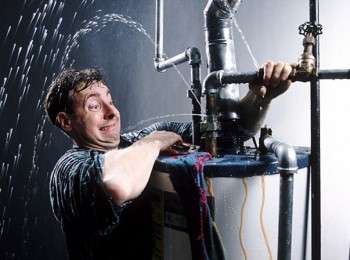
Then it all turns pear shaped and you need to call in a tradie to finish the work you started.
In Queensland, performing your own plumbing work is restricted by law to ensure safety and compliance with strict regulations. The Queensland Building and Construction Commission (QBCC) oversees these guidelines, making it clear that only licensed plumbers are legally permitted to carry out most plumbing work.
This regulation is in place to protect public health, safety, and the integrity of water systems.

What Plumbing Work Can A Home Owner Legally do?
As a homeowner, you may be allowed to perform minor plumbing maintenance , but this is limited to very specific tasks. Examples include changing tap washers, showerheads, and certain irrigation systems that connect to a hose tap. However, any work that involves altering or installing new plumbing systems, such as pipework, gas fittings, or drainage systems, must be carried out by a licensed professional.
So, what plumbing can I do?
Queensland Building and Construction Commission (QBCC) is always asked “what plumbing can I do in Qld” and this is the approved DIY work you can do here – unregulated plumbing work
Unregulated Plumbing Tasks You Can Do Yourself
- Replacing a Showerhead: Swapping out an old showerhead for a new one is permitted, as long as it doesn’t involve altering the plumbing connections behind the wall.
- Changing a Water Filter Cartridge: You are allowed to replace a domestic water filter cartridge, typically found under kitchen sinks or in the refrigerator.
- Replacing Tap Washers and Valves: You can replace a jumper valve or washer in a tap, which is a common maintenance task to fix leaking taps.
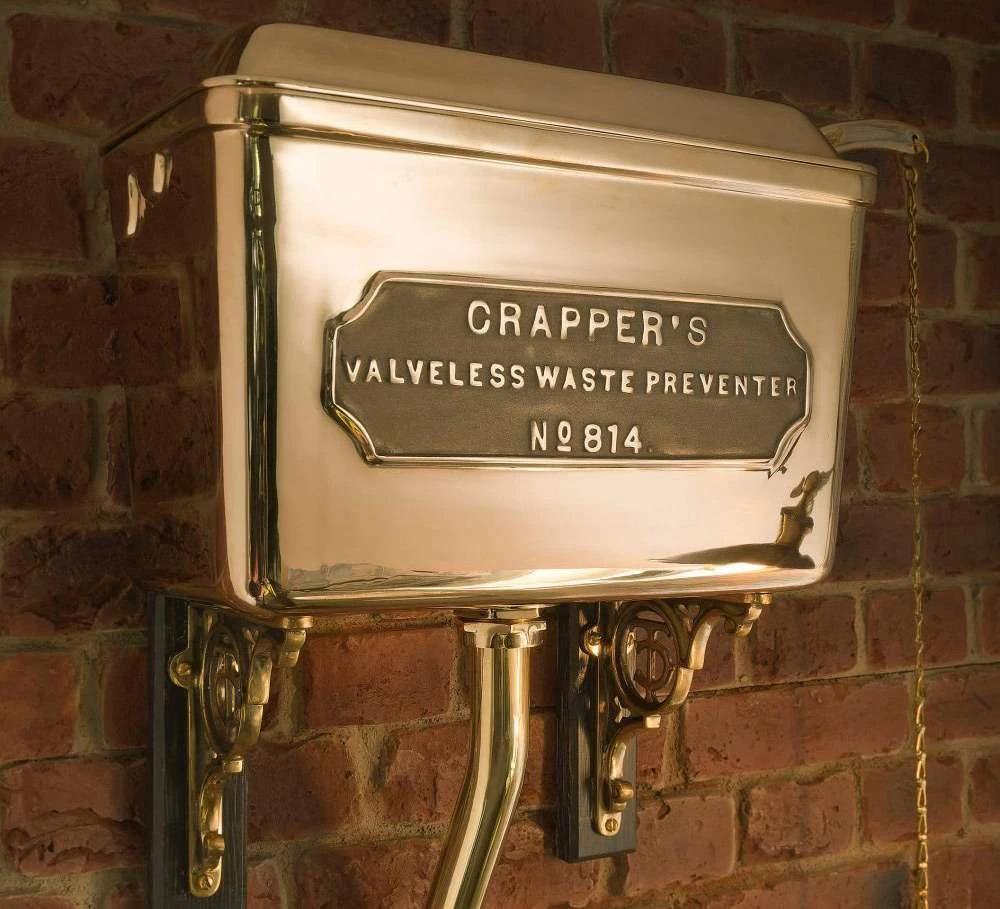
- Toilet Cistern Repairs: You may repair or replace certain parts within the toilet cistern, such as the drop valve washer, float valve washer, or suction cup rubber. These are essential components that help control water flow within the cistern.
- Ground Level Inspection Openings: It is permissible to replace caps to ground level inspection openings on a sanitary drain, ensuring easy access for future inspections.
- Grate Maintenance: Cleaning or maintaining ground-level grates for traps on a sanitary drain is allowed, as this task prevents blockages and maintains the proper flow of waste.
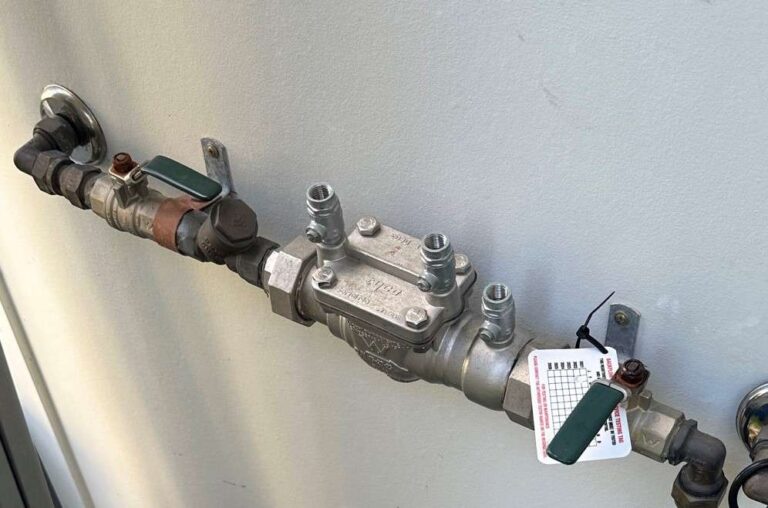
- Irrigation and Lawn Watering Systems: Installing or maintaining an irrigation or lawn watering system is allowed, provided it is downstream of a tap, isolation valve, or backflow prevention device on the supply pipe. This ensures that the work doesn’t interfere with the primary plumbing system.
- Greywater and On-site Sewage Irrigation Systems: You can repair or maintain an irrigation system designed for the disposal of effluent from a greywater use facility or on-site sewage facility, as long as it doesn’t involve altering the core plumbing infrastructure.
- Incidental Tasks: Simple, unskilled tasks like digging or backfilling a trench related to plumbing work are also within your rights, provided they do not require technical expertise.
All other plumbing work must be carried out by a plumber with a current plumbing and drainage licence. Dodgy plumbing is a serious health and safety risk, and is not to be taken lightly.
Submitting Certificates and Forms
Why Is Paperwork Important?
Paperwork is crucial for documenting that all plumbing work has been completed according to the legal and safety standards mandated by Queensland law. This documentation provides a formal record that can be referenced in the future, ensuring that the work meets the required specifications and is safe for use.
Notifiable Work and Compliance Certificates
After completing certain types of plumbing work, particularly those involving significant changes to a property’s plumbing system, a licensed plumber must submit forms and certificates to the QBCC. The most common form is the “Form 4 – Notifiable Work” which details the work done, the address, and the licensed plumber responsible. This form must be submitted within a specific time frame, usually within ten days of the work being completed.
Another critical document is the “Certificate of Compliance.” This certificate serves as a declaration by the plumber that the work complies with all relevant plumbing codes and standards. It is not only a legal requirement but also a crucial piece of documentation for homeowners, as it may be needed for insurance purposes or when selling the property.
Licensing ensures that the person performing the plumbing work has the necessary skills, knowledge, and qualifications to meet Queensland’s stringent plumbing standards. Unlicensed work can lead to significant issues, including health risks, water damage, and costly repairs. Moreover, if illegal plumbing work is discovered, you could face hefty fines and be required to rectify the work at your own expense.
Why It’s Important to Leave Major Plumbing Work to the Professionals
While these tasks may seem straightforward, it is crucial to understand that any other plumbing work beyond what is listed above must be performed by a licensed plumber holding a current plumbing and drainage licence.
Undertaking plumbing work without the necessary expertise can lead to severe health and safety risks, including water contamination, structural damage, and even legal consequences.
Insurance Risks: DIY Plumbing Could Leave You Unprotected
One of the most serious consequences of DIY plumbing is the potential impact on your home insurance. If a plumbing issue leads to damage in your home, you might expect your insurance to cover the repair costs. However, if the insurer discovers that the problem stemmed from unlicensed work, your claim could be denied. This leaves you fully responsible for all repair costs, which can be substantial, especially if the damage is extensive.

Selling Your Home: Unlicensed Plumbing Work Can Lower Your Property’s Value
Another critical factor to consider is the impact that unlicensed plumbing work can have on your property’s resale value. When you decide to sell your home, a pre-purchase building inspection is standard procedure. If this inspection uncovers any unlicensed or faulty plumbing work, you’ll be required to have it corrected by a licensed plumber before the sale can proceed.
Not only does this delay the selling process, but it also means additional costs that could have been avoided if the work had been done professionally from the outset.

Leave Plumbing to the Professionals
While DIY projects can be satisfying, plumbing is one area where the risks far outweigh the benefits. This not only protects your home but also gives you peace of mind knowing that your plumbing system is in capable hands.
Another common issue with doing your own plumbing in Qld is product warranties can become void if any work or repairs are carried out by an unlicensed person. This can affect things like your hot water system or septic system.
Call your local licensed plumber to ensure the work is being carried out to the relevant industry, state, and Australian standards, is compliant, and covered by insurance, and MOST importantly, is safe and hygienic for you and your family.
Our Services
Get A Quote
Contact us today for a free, no-obligation quote on your plumbing needs.