You’ve probably thought about the usual stuff like securing your valuables, getting the neighbours to clear your letter box and setting up light timers.
But have you given any thought to your toilet?
I know, it sounds a bit weird, but trust me, getting your toilet ready is super important.
You don’t want to come back to any nasty surprises, right? Stagnant water, mould, and potential plumbing issues can pop up if you leave your toilet unattended for six months.
Leaving your toilet full of water for this long may cause stagnant water to become a breeding ground for bacteria and debris buildup. Preparing your toilet properly can make a significant difference in your overall experience upon return.
5 Simple Cleaning and Protective Steps
By following 5 simple cleaning and protective steps, you can ensure a hassle-free return to a fully operational bathroom.
Preparation Before Leaving
Before leaving a toilet unused for six months, proper preparation ensures functionality and hygiene upon your return. Attention to water supply, thorough cleaning, and odor prevention are essential steps.
Step 1 – Clean The Toilet
A thorough cleaning before leaving is vital for keeping your toilet in good condition. Begin by using a toilet cleaner or a mixture of white vinegar and baking soda to scrub the bowl.
Make sure to clean under the rim and around the seat for a complete clean. Allow the cleaner to sit for a few minutes, then scrub with a toilet brush.
Additionally, inspect and sanitize other bathroom fixtures. Ensure taps and sinks are free of buildup and treat them with appropriate cleaners to prevent corrosion or mold while you are away.
Step 2 – Toilet Water Supply
Start by turning off the water supply to the toilet. Locate the shut-off valve, usually found behind the toilet, and turn it clockwise to stop the flow of water.
Next, flush the toilet completely. This removes most of the water from the tank and bowl, preventing stagnant water, which can lead to algae and odor development.
After the flush, use a sponge or vacuum to remove any remaining water. This step is crucial because standing water can create a breeding ground for bacteria and mold.
Consider placing the toilet seat down and sealing it to protect it from dust and debris.
Step 3 – Seal The Toilet
After that, you need to seal your toilet. This will stop evaporation, keep pests out, and contain any potential smells while you’re gone. Read a little further why this maybe a good idea if you live in a tropical area like Caboolture or the Sunshine Coast.
Get some strong, durable plastic wrap and cover the entire bowl opening. Stretch it tight and press it firmly against the rim to get a good seal.
You might want to use some tape to really secure the edges of the plastic wrap to the toilet.
Step 4 – Preventing Odours
To prevent unpleasant odors from developing, consider placing a bowl of baking soda in the toilet bowl before sealing it. Baking soda neutralizes odors effectively.
Sealing the toilet with plastic wrap will have the added benefit of blocking any potential odors from escaping while keeping the toilet clean.
If you have concerns about sewer gases, ensure that all bathroom floor drains are also protected. Running water in sinks and tubs helps maintain a water barrier against odours and you can also add bicarb soda to these drains so they have a cleanout.
You can also leave a plug in the bathroom sink and kitchen sink to stop smells and drain flies from breeding.
Following these steps will ensure your toilet remains in acceptable condition even after extended absence..
Step 5 – Preventing Unwanted Visitors In Your Toilet
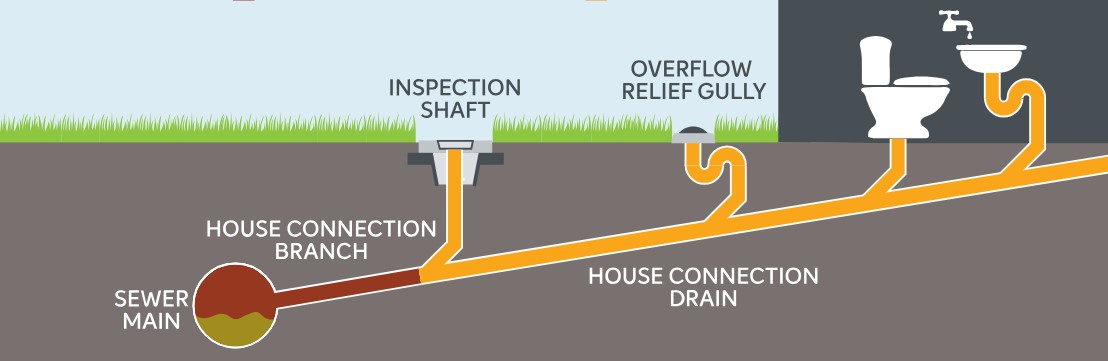
Living in Queensland we have all see the images of a frog in the toilet or worse …a carpet python. To prevent a visitor settling in to stay, sealing the toilet is the easiest way to stop them from going any further.
Ever wondered how they actually get inside in the first place?
It is all to do with your over flow relief gully . It is the raised drain and vent on the outside of your home and it is often close to your main bathroom and toilet. If the cap is damaged or the vent is missing a frog or snake is attracted to the moisture and will enter the drain it is then a quick swim upstream that leads into your toilet bowl.
The below image is from Barwon Water
Bottom Line
We know it seems like a lot of work to get your toilet ready for a 6-month break, but it’s worth it if you are wanting to come home to without any unpleasant surprises.
Follow these steps and you’ll really cut down on the chances of plumbing issues, weird smells, and stains and your future self will thank you!
If you think you may have a damaged or blocked over flow relief gully, we can quickly check that before you go away.

Our Services
Get A Quote
Contact us today for a free, no-obligation quote on your plumbing needs.