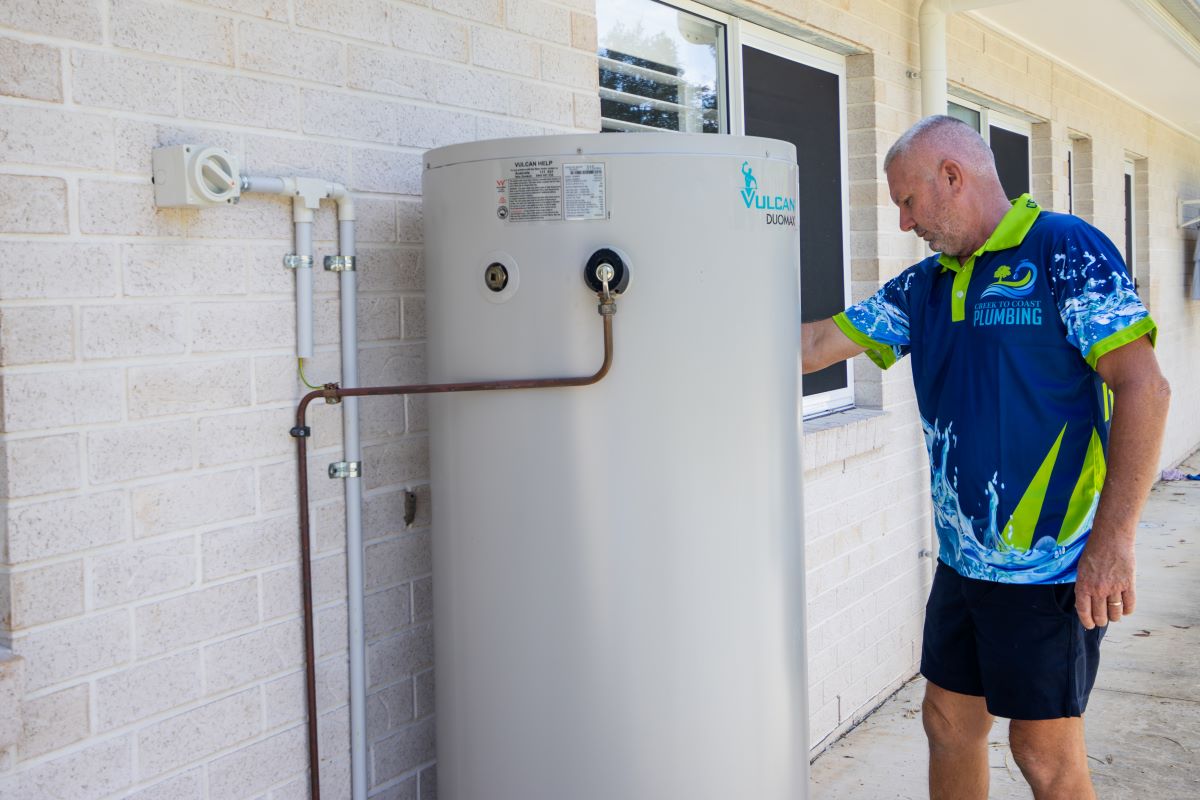
Dealing with a water heater that’s leaking from the bottom element?
You have just noticed a puddle around the bottom of your hot water service.
It’s not an ideal situation to be in and unfortunately it is likely that your hot water service is on its last legs.
But there a couple of things you can do to 100% confirm this.
In this guide, I’ll shed some light on why your water heater is leaking from the bottom element, what it means for your water heater, and what steps you can take next.
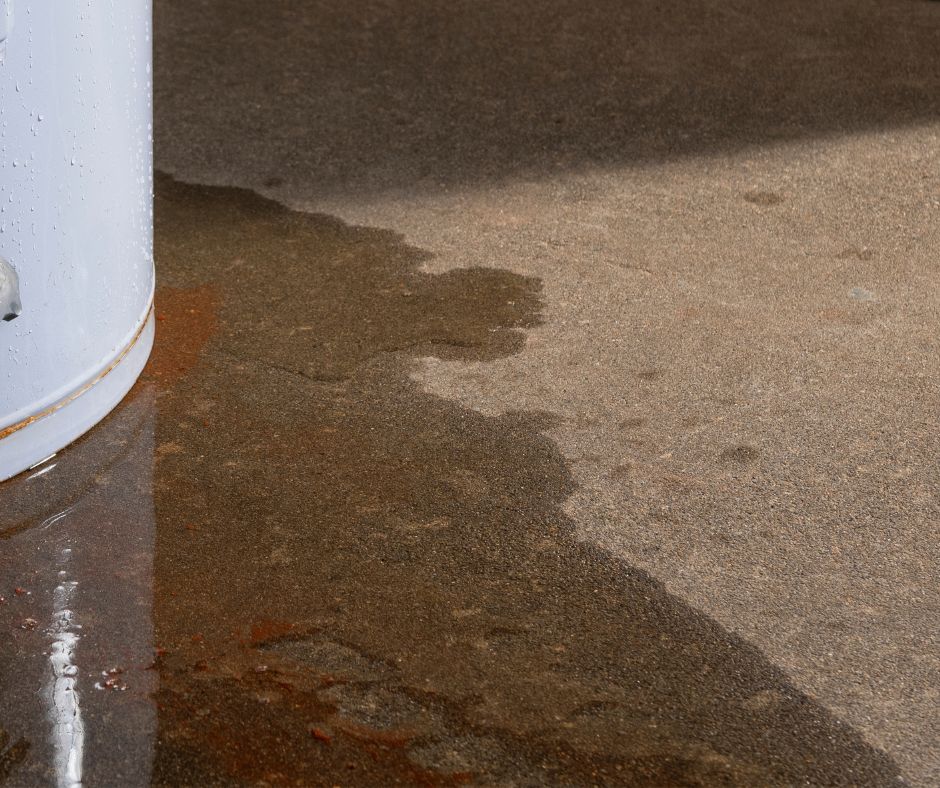
Why Is My Water Heater Leaking From Bottom Element?
Here are some of the reasons why this might be happening:
Damaged Or Bad Element
The most common cause of a bottom element leak is a faulty or damaged heating element.
These elements work hard, constantly heating water, and over time they can wear out. They get corroded or develop small cracks because they’re always in contact with water and minerals.
When this happens, the seal around the element can start to fail, letting water escape.
Another thing that can cause leaks is if the element wasn’t tightened properly when it was installed or during a maintenance check. Also Read: Leaving Toilet For 6 Months
This can create small gaps around the threaded area where the element connects to the tank, giving water a path to leak out.
Corrosion
Corrosion is another common reason behind bottom element leaks. The metal parts of your water heater, including the tank and the housing around the element, can slowly corrode over time.
This happens because water can be slightly acidic, which gradually eats away at the metal. As corrosion progresses, it can weaken the tank, potentially creating small cracks or holes that water can escape through.
A few things can make this corrosion process happen faster: if you have hard water, if the water heater hasn’t been maintained regularly, or if it wasn’t installed correctly in the first place.
Sediment Buildup
Sediment buildup on the element can also lead to leaks. As your water heater does its job, minerals in the water can settle at the bottom of the tank, forming a layer of sediment.
This layer can actually act like a blanket over the bottom heating element, causing it to overheat.
When the element gets too hot, the seal around it can fail, leading to leaks.
But that’s not all – this sediment buildup can also contribute to corrosion over time, making the whole problem worse as well.
Inner Tank Is Leaking
Sometimes, the leak you’re seeing might not actually be coming from the element itself.
If you notice that the insulation around the tank is wet, that’s a pretty good sign the inner tank of your water heater is leaking. The water might be seeping down from higher up in the tank and just appearing to come from the element area.
Also Read: Is your Hot Water Unit reaching it’s use by date?
This is very bad news. There’s no fixing this.
The inner tank has deteriorated, probably due to rust or some other kind of internal damage.
How To Stop Water Heater Leaking From Bottom
Now let’s talk about how to fix it. Here’s what you need to do:
Turn Off Power And Pressure
First things first, turn off the power to your water heater. If it’s electric, switch off the circuit breaker. If it’s gas, turn the gas valve to “off”.
Next, shut off the cold water supply to the tank. This stops more water from coming in.
Once that’s done, you need to relieve the pressure in the tank.
Open a hot water tap in your home and let it run. This allows air into the system and helps drain the tank more easily if needed.
PLEASE before doing any plumbing work, you need to know what you are doing and to ensure you can do these tasks. Also Read: Can I Do My Own Plumbing In Qld?
If in doubt – please give us a call and we will give you advice over the phone, we really don’t mind if we can help you trouble shoot an easy fix.
Inspect The Element
Now take off the access panel and insulation to get a good look at the bottom heating element.
Are there any obvious signs of damage, like cracks or corrosion?
Sometimes, you might see mineral buildup on the element itself.
Check if the element seems loose too. If it’s just loose, tightening it might solve your problem. But if you see a lot of corrosion or damage, you’ll probably need to replace it.
Don’t forget to inspect the gasket around the base of the element. If it looks worn or damaged, it could be the source of your leak.
Replace The Element
If the element itself appears to be the problem, you have to replace it.
You’ll have to drain the tank, take out the old element, clean the area, and put in a new element with a new gasket.
Here’s a good video on how to replace it: How To Replace The Lower Element On A Electric Water Heater
If you are not confident enough to DIY, it’s best to call our plumbers to make sure it’s done right.
Replace The Tank
Now, if the insulation around the tank is wet that means the leak isn’t coming from the element, but from the inner tank itself.
It might seem like a bigger expense upfront, but a new water heater can save you money in the long run through improved efficiency and reliability.
How To Prevent Future Leaks
To keep these leaks from happening again down the road, it’s super important to stay on top of maintaining your water heater.
That means regularly flushing out the tank to get rid of any built-up sediment.
If you live somewhere with hard water, installing a water filter might be a good idea too. It will reduce the mineral content in the water and slow down the corrosion.
And getting the hot water service heater professionally inspected once a year is also recommended this means you can catch any issues before they turn into major leaks or other headaches.
Local Hot Water Plumbers
Creek To Coast Plumbing are your local hot water experts and we can get your electric, gas or solar hot water service repaired or replaced.
Get in touch with our friendly team today.


Our Services
Get A Quote
Contact us today for a free, no-obligation quote on your plumbing needs.